 If you use propane to power your boiler or furnace, you already know how efficient and clean burning it is. The question is why aren’t you using propane in other ways throughout your home?
We see it in our house calls all the time: a customer will have a propane furnace and an electric water heater, not realizing that switching to propane could save them 30 percent or more on their monthly bills – especially if they go tankless!
Why Choose Propane?
The benefits of propane as a power source for appliances aren’t limited to water heaters – or efficiency – either. Consider that:
- A propane cooking range gives you precision temperature that no electric cooktop can match (which is why 95 percent of pro chefs choose gas ranges).
- A propane pool heater can extend your swimming season by a month or more.
- A propane whole-house generator can give you peace of mind knowing you have instant backup power in the event of an outage.
- A built-in outdoor grill combines the convenience of cooking with gas with delicious flame-broiled flavor.
- An indoor or outdoor propane hearth will give you that amazing golden fireside glow without the set-up or clean-up hassles of a wood fire.
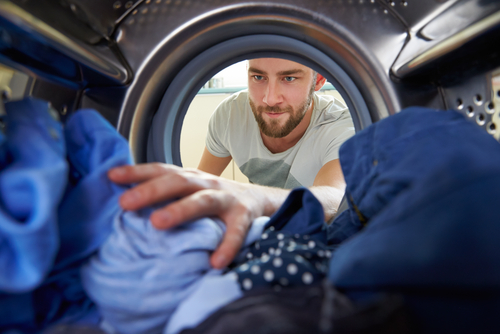
- A propane clothes dryer will dry faster and cause less wear and tear on your favorite clothes.
- Propane space and patio heaters deliver heat more effectively to a wider warming radius than even the most powerful electric space heaters can – and do it for less money, too.
The bottom line: every propane appliance you add to your home adds to your quality of life, helping you get better performance and more comfort for your hard-earned dollar. And best of all, all these appliances can be linked to a single propane tank. Talk about simplicity!
Thinking about adding propane appliances to your home? Let’s make a plan! Contact Ace-Robbins today to learn more about propane appliance installation in Wyoming County and get a FREE, no obligation estimate.
 You probably know that about half the energy your home uses during the summer can be attributed to your central air conditioner. The good news, if you’re a conscientious energy user, is that there are easy and effective ways to chip away at that number.
How To Improve A/C Efficiency
Here are ten tips for maximizing your A/C efficiency in the hot months to come.
- Check air filters regularly – Check your filters about once a month, cleaning or replacing them (depending on the model) as needed. A clogged air filter can reduce A/C efficiency by 10 to 15 percent, and will eventually lead to unnecessary wear and tear on your equipment.
- Clean your vents – Remove anything that blocks your vents to maintain steady airflow through your system. Vacuum your vents periodically – especially if you have shedding pets – and keep away furniture, rugs, or drapes.
- Mind your ductwork – Duct leaks can keep cool air from ever reaching your living space. Look for obvious air leaks in visible ducts, especially at duct joints. But remember: most of your ductwork is behind the walls, so consider a professional duct inspection about once every five years.
- Program your thermostat – With a central air conditioner, every degree you drop your thermostat below 75 degrees results in a three to five percent uptick in energy use. For the best balance of comfort and economy, shoot for a summertime indoor temperature of about 78 degrees, says the U.S. Department of Energy.
- Don’t forget your windows – Keep windows (and exterior doors) closed when your A/C is running. In the hot summer months, consider hanging window treatments that reflect rather than absorb light and heat (for more efficiency tips using window treatments, see the U.S. Department of Energy website.
- Fix air leaks – Air leaks are a big contributor to lost efficiency all year long. Use caulk and weather stripping to reduce leaks around exterior doors and windows, and use doorsweeps to guard against drafts between conditioned and unconditioned spaces (your garage and entry hallway, for example).
- Keep your condensing unit out of the sun – Keeping your outdoor condensing unit out of the sun can reduce A/C costs by about two percent. Shade with a high overhang – never cover or block the airflow of your condensing unit!
- Use your ceiling fans – Moving air feels cooler when you’re in the room, so turn on those ceiling fans when people are around – you’ll be able to keep temperatures a little warmer with no loss in comfort.
- Maintain your equipment – Your cooling equipment will lose about five percent efficiency every year that it’s not serviced – which means that professional cooling maintenance will basically pay for itself in lower cooling bills alone. It will also help keep your A/C running more reliably.
- Choose an HVAC pro for upgrades – An expert air conditioning technician will do the little things that will help your system deliver value – and better performance – year after year. They’ll also know the ins and outs on tax credits, incentives, and manufacturer’s rebates, so they’ll be able to steer you in the direction of better deals on ENERGY STAR®-certified equipment. Choose an HVAC pro that offers in-person evaluations – not just formulas – if you want to get the most energy bang for your buck.
Summer’s coming – is your A/C ready? Let the pros at Ace Robbins check and make sure! Contact us today to learn more about A/C installations and central air conditioning maintenance in Wyoming County, PA!
 National Barbecue Month is just weeks away – but that doesn’t mean you can’t fire up your propane grill right now!
As you prepare for the outdoor living season ahead, it’s smart to review some important safety reminders for your propane grill. Here are eight things to remember as you fire up for the coming season.
- Keep your grill at least six feet away from your home on level ground.
- Never leave your propane grill unattended.
- Check hoses and connections for leaks before operating the grill.
- Never light a gas grill with the lid closed – to light your grill, open the lid before turning on the gas at the tank. If the grill doesn’t light after a couple of clicks, turn off the burner, turn the gas off at the tank, and wait 5 or 10 minutes before attempting to light it again.
- Make sure to keep your grill lid accessible to extinguish small flare-ups. It’s also a good idea to portable fire extinguisher on-hand.
- Never attach or disconnect a propane cylinder or adjust fittings while the grill is operating. If you run out of gas while grilling, turn off all the burners, reconnect the new tank, and re-light. When you finish grilling, shut the gas valve and disconnect the LP couplings before storing the grill.
- When transporting your 20-lb OPD tank for re-filling, always:
- Transport it upright (with the valve on top) in a secure position to prevent rolling
- Close and plug the cylinder valve
- Place the cylinder in a well-vented area inside the vehicle
- Refrain from leaving the cylinder alone in a hot vehicle; go straight to your propane dealer and straight home when you pick it up.
- Always practice food safety:
- If you can’t wash your hands, use antibacterial wipes before eating or handling food – especially raw meat, poultry, or fish.
- Separate raw meats from cooked and prepared foods. Store raw meats in a separate cooler, place raw meat on its own plate, and use different utensils to handle uncooked and cooked food.
- Always cook meats to temperatures that ensure your safety.
Still using a charcoal barbecue? Make the switch to propane today and enjoy instant start-ups, no chemical fumes, and precision temperature control! Contact Ace-Robbins today to learn more about propane grills, propane cylinders, and outdoor kitchen installations in PA today.
 If you get your water from a well or from a local municipal water supply here in Pennsylvania, chances are it contains a fair amount of minerals (the more minerals, the “harder” your water is).
Eventually, those minerals are going to crystalize in your plumbing system, causing a grey or white chalky-looking texture called limescale on surfaces where water touches.
That, of course, includes your water heater.
In a conventional storage water heater, minerals can accumulate at the bottom of your storage tank as sediment, which, if not flushed regularly, can reduce efficiency and even lead to premature equipment breakdown.
Since a tankless water heater doesn’t have a storage tank, that’s not an issue. However, the scale can still be a big problem on your tankless water heater’s heat exchanger (unless, of course, you install a water softening system).
Limescale On A Tankless Water Heater
When limescale builds up on the heat exchanger of a tankless water heater, your efficiency could drop by as much as 30 percent – essentially negating the efficiency benefits of using a tankless vs tank system.
The good news is it’s relatively easy to avoid a build-up of scale in your tankless water heater with a small investment of time and equipment.
How To Flush Your Tankless Water Heater
Please note: Before you try it yourself, always read the instructions the manufacturer gave you first! While the procedure detailed below is fairly standard, there might be slight but important variations based on your particular model. If you’re not comfortable tackling this procedure, don’t worry – we can take care of it for you. Just give us a call!
What you’ll need
- A tankless water heater flush pump
- Rubber or washing machine hoses to attach to the valves
- A water collecting bucket
- Vinegar or a tankless water heater descaling solution
- A channel lock wrench
Typical steps to descale a tankless water heater
- Before you begin, set your temperature to 150°F and let hot water run through the heater for about a minute.
- Shut off all the power to the water heater.
- Close the incoming and outgoing water isolation valves. If your unit doesn’t have isolation valves, then you can buy some and install them yourself.
- Have a bucket ready to collect water as it drains. There will be about a liter of water or so in the pipes of the tankless heater.
- Drain the unit and connect hoses to the drain ports of the isolation valves “A” and “B”.
- Dump this bucket or have another bucket ready to go with a solution to be pumped through the heater.
- Fill an empty bucket with a mix descaling solution and water. About half a bucket of water will do the trick.
- Open the isolation valves A and B.
- Turn on the circulation pump. Let the solution circulate through the tankless water heater for at least 30 minutes, but an hour is better.
- Drain the descaling solution from the heater and flush freshwater through the heater by closing valve “B”.
-
Open up valve “A” with a hose leading to an empty bucket.
- Open up the inlet water valve to let freshwater flow through the unit and empty it into the empty bucket to get all of the solution out of the heat exchanger.
Descaling is not the only maintenance your water heater needs! Be sure to contact a water heater maintenance professional a minimum of once every two years for a conventional water heater, and once a year for a tankless water heater, to keep it running at its safest and best. Contact Ace-Robbins today to learn more about water heater maintenance in Wyoming County, PA!
 Spring is officially here, and temperatures are creeping up here in Pennsylvania. Soon it will be time to switch your thermostat from heat to cool mode and fire up your central air conditioner or ductless cooling system.
But before you do that, don’t forget to have your cooling system looked at by HVAC professionals!
Professional A/C maintenance is critical to protecting the investment you’ve made in your home cooling equipment: routine service keeps your A/C running better for longer and can help an expert technician spot small problems before they turn into potentially costly air conditioning repairs.
Getting Ready For An A/C Service Visit
Although A/C maintenance should never be a DIY job, there are things you can get ready for a visit from the air conditioning pros at Ace-Robbins. Here are five small steps you can take to prepare for your annual A/C maintenance visit in the coming weeks:
Outdoors
- Remove condenser covers – Take off seasonal covers, blankets, or lids before turning on the unit; leaving covers on while operating the unit for even a short time could do costly damage to your system.
- Remove debris from the condenser unit and coil – Remove any branches, leaves, or other wind-blown fall and winter debris from your outdoor condenser unit.
Indoors
- Clean the supply vents and return grills – Remove dust, pet hair, and any other debris from the supply and return air grills of your internal A/C unit – preferably with a vacuum equipped with a HEPA filter.
- Move objects away from vents – Look for areas where curtains, furniture, or other items could be blocking air flow and reducing cooling efficiency.
- Run your A/C for 30 minutes to make sure it works – Turn on your A/C unit and check the air coming out of the indoor vents for a few minutes. Check the system every few throughout the day.
Get your central air conditioner in shape for the hot weather workout to come. Contact the pros at Ace Robbins today to schedule annual air conditioning maintenance in Wyoming County today!
 Did you know that power outages are twice as common today as they were 10 years ago?
Aging transmission grids and power plants – combined with more intense weather events and a greater-than-ever demand for electricity – has left our homes and businesses vulnerable to a loss of power that can be inconvenient at best and dangerous (and costly) at worst.
That’s why now, more than ever, we think a propane standby generator is one of the best investments you can make in your Pennsylvania home.
Near-Instant Power Retrieval
Unlike a gas-powered portable generator, which needs to be connected and started before each use, a backup generator integrates permanently with your home’s electrical system and – if it has enough capacity – with your home HVAC system. When the grid goes down, the generator engages almost instantly – usually within 30 seconds – to power up your appliances.
Generators Are No Longer A Luxury
In the past, having backup power on-hand was a luxury for most homeowners. But today – especially with all the changes the pandemic has brought into our lives – having a reliable source of power has become a necessity. By starting up instantly when power from the grid is interrupted, a propane backup generator will enable you to:
- Keep working or studying from home – With so many of us earning our livelihood – or our degree – from home, an interruption in electric service can set us back for weeks.
- Keep your family protected – With many of our loved ones at home during the pandemic, using at-home medical equipment to treat conditions that keep them healthy, backup power can literally be a life saver.
- Keep your property protected – Electricity doesn’t just keep the lights on – it keeps protective devices like sump pumps working. Lose those invaluable pieces of equipment and you could suffer thousands of dollars in property damage from severe weather.
- Keep your food fresh – A back-up generator will keep your refrigerators and freezers on to keep hundreds of dollars of food from spoiling.
Propane whole house generator installations in PA
If you’re considering adding a propane backup generator, our technicians can help you install and connect it to your home HVAC and electrical systems. To learn more, or to get a no-obligation estimate on propane emergency generator installations in Pennsylvania, contact us today.
Protect your home and family with an emergency propane generator, professionally installed by Ace-Robbins. Contact us today for a FREE estimate on a propane whole house generator installations in Wyoming County, PA.
 Looking for an easy way to save up to 10 percent on your heating and cooling bills? The answer could be right on your wall.
According to the U.S. Department of Energy, that’s how much money you can save if you install and properly use a programmable thermostat. If you don’t have one already, investing in one is a smart move: by making it easy to set your indoor climate to suit your lifestyle , it could pay for itself in energy savings alone the first year you own it.
Programmable Thermostat Perks
But saving money isn’t the only advantage that a programmable thermostat provides. Consider these benefits:
- You’ll use less energy – About half of your home’s total energy use stems from heating and cooling. By programming your thermostat to keep reasonable temperatures (68 in the warming months, 78 in the cooling months when people are home) and reducing use when people are away or asleep, you’ll dramatically improve your home energy efficiency.
- You’ll be more comfortable – Programmable thermostats can be set to different temperatures according to your preference; drop temperatures to sleep cooler, or raise them on a Sunday when you know the whole family will be home. Programmable thermostats use digital technology to keep temperatures exactly where you want them.
- Your equipment will last longer – Installing a programmable thermostat can help reduce wear and tear on older heating and cooling equipment, improving its function and efficiency while prolonging its life span.
- You could control your climate remotely – Many of today’s programmable thermostats offer Wi-Fi technology that allows you to control your thermostat from a smartphone or tablet. Adjust temperatures while you are at work or away on vacation, or keep track of temperatures in your vacation home during the cold winter months.
A programmable thermostat may not cost much, but it will make a big impact on your family’s comfort – and your wallet. To learn more about programmable thermostat installations in Wyoming County, PA, contact Ace-Robbins today!
 We’ve got a lot on our mind these days – even more than usual, with COVID complications. The busier life gets, the easier it is to forget the little things, like checking the fuel gauge on your home heating system.
The problem is that running out of heating oil or propane isn’t a “little” problem.
Besides the inconvenience and dangers of being in a cold house on a frigid day, run-outs can cause other problems. In an oil-fired system, thickened fuel from the bottom of your oil storage tank can clog filters and fuel lines – and with no heat, you could easily end up with frozen, or even bursting, water pipes that can cause thousands of dollars in damage.
If you have a propane-fired system, you’ll have other issues: if you run out of the gas, your system automatically shuts down and must be professionally restarted and pressure tested at your expense. Sudden changes in pressure caused by shutting down your system can also increase the likelihood of a propane leak.
The bottom line: a fuel run-out is something you really want to avoid.
How To Prevent Running Out Of Fuel
The good news is there are some simple things you can do to avoid a heating oil or propane run-out in your Vermont home:
- Choose automatic delivery – With automatic fuel delivery, we’ll estimate the delivery date of your fuel based on your past usage and the current weather. If you’re a propane customer and want to take away the guess work, install a tank monitor and we’ll both know exactly how much gas you have on hand at any moment. If you choose Will Call service, monitor your fuel gauge regularly, especially during a cold snap.
- Order when your tank is no less than 25 percent full (sooner if it is really cold). Don’t wait until the last minute – instant deliveries are not always possible.
If you do run out of fuel:
- Don’t panic!
- Take immediate steps to retain whatever heat you have in your house: close curtains, block under-door drafts, hang blankets over doorways, etc.
- If you have other ways to heat your space, such as fireplace, propane space heater, or electric heater, use them.
- NEVER use outdoor equipment (barbecues, outdoor stoves, etc.) indoors – carbon monoxide build up can be extremely dangerous or even deadly.
- Contact us for an emergency heating oil or propane delivery.
Getting low on heating oil or propane? Don’t panic, but don’t wait: contact Ace-Robbins today for a heating oil or propane delivery in Wyoming County, PA!
If you do choose to manage your own heating oil or propane deliveries, one of your most important jobs is to keep an eye on your fuel levels. If you’re new to your heating system and haven’t had to check your fuel gauge yet, don’t worry – It’s easy to do. Here are the basics.
Checking A Propane Tank Gauge

- A full-sized residential propane tanks typically has a built-in fuel gauge, usually located under the tank dome or cover.
- The gauge looks like the gas gauge in your car, with numbers that show how full the tank is as a percentage. Most gauges read from 0 to about 90 percent; tanks are never filled to 100 percent capacity because propane gas expands as temperatures rise (space must be provided to allow for the expansion).
- Please don’t wait until the last minute to order fuel! As a rule of thumb, order propane when your tank is no less than one-quarter full.
Checking A Heating Oil Tank Gauge

- Your heating oil tank gauge is usually a clear glass or plastic cylinder located at or near the top of the tank.
- The gauge is marked with numbers that look a lot like a car’s fuel gauge: F, ¾, ½, ¼. A yellow or red marker or float tells you how much fuel you have left; if the marker is at the bottom of the gauge or not visible, your tank is empty (or close to it).
- To make sure the gauge is working, carefully remove the outer case and gently press the float down. If it bobs back up to the original position, the gauge is working. If the gauge is not working, contact us for a heating system repair.
- A common heating oil tank size is 275 gallons, but that’s a little misleading, since a 275-gallon tank actually only holds about 240 gallons of fuel (the remaining volume is left for air and debris). That means that if your tank 275-gallon heating oil tank is half-full, you really only have about 120 gallons left.
- As with propane, please don’t wait until the last minute to order fuel! Order your heating oil when your tank is no less than one-quarter full.
Please keep in mind: many factors will affect the speed at which you will use up your heating oil – the efficiency of your heating equipment and the air tightness of your home, to name two. The one factor that will have the greatest impact on your fuel usage, however – at least in terms of the speed of your fuel use – is the weather. In fact you could use 50 percent more fuel on a day that reaches single digits than you do if the temperature hovers around the freezing mark.
The takeaway here: Keep a close eye on your fuel use, especially as temperatures drop. You are probably using propane or heating oil faster than you think!
Automatic Fuel Delivery: Hassle Free Tank Watching
Of course, if you don’t want to hassle with reading gauges or calling for fuel deliveries, there’s an easy way to do that: sign up for FREE Automatic Delivery from Ace-Robbins.
We’ll estimate your delivery based on computer modeling and your past usage, getting your heating oil or propane to you when your tank is about one-quarter full.
Have any other questions about your propane or heating oil tank? Just ask – we’re happy to help. And remember: for reliable heating oil delivery and propane delivery in Wyoming County, PA, trust the pros at Ace-Robbins!
 A water heater accounts for just under 20 percent of the energy used in a typical American home, which means the kind of water heater you choose can make a big difference in your monthly bill – not to mention your home’s resale value, carbon footprint and safety profile.
Propane Water Heating Advantages
For these reasons and more, we highly recommend choosing a propane water heater over an electric model. Compared to an electric heat pump water heater, a propane powered water heater is:
- A better long-term investment – When you consider the total cost of owning a propane water heater – including installation fees, the longer lifespan of the equipment (about 20 vs. 13 years on average), and the amount of water you can heat per energy dollar spent – propane equipment ends up being about 30 percent cheaper than electricity over the course of the equipment’s lifetime.
- A better performer – A propane water heater heats water nearly twice as quickly as an electric heater, which means faster recovery times (and therefor less time without hot water….with a propane tankless water heater, that downtime shrinks to zero). Propane water heaters are also extremely durable, lasting up to a decade longer than electric heat pump models.
- Safer – Propane enjoys one of the best records among home energy sources, thanks in large part to the strict regulations placed on its handling and use.
- Greener – Propane is cleaner-burning than coal and delivers energy directly to your home rather than transmitting it to your home via an inefficient distribution system, reducing harmful carbon emissions in two important ways.
In short, compared with electric models, propane water heaters cost less to operate, last longer, and are less harmful to the planet. If you make a further investment in a propane tankless water heating system, you’ll also save space, get unlimited hot water, and gain more accurate temperature control and longer equipment life.
When you add it all up, propane and water heating are a perfect match. To learn more about propane water heater installation in Wyoming County, PA, contact Ace-Robbins today!